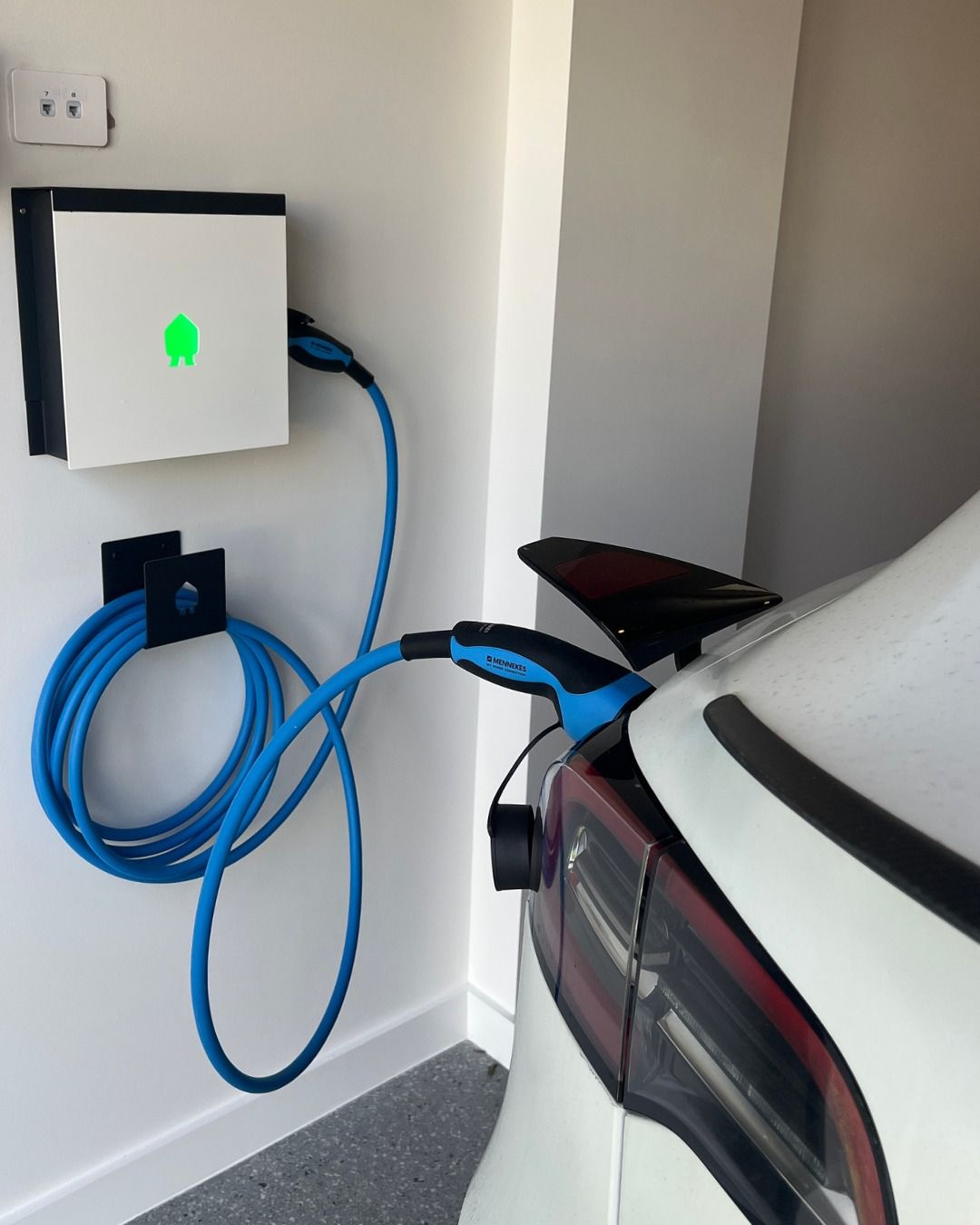
EV Charger Installation for Condos and Townhouses in Ontario
Buying an EV when you live in a condo or townhouse raises an immediate question: can you install an EV charger at a condo in Ontario? The answer is yes — but it takes more steps than a standalone house, and it often requires working with your condo board or property management company.
Here's the complete Ontario guide for condo and townhouse EV charger installation.
Condo vs. Townhouse — Key Differences
Townhouse (freehold): If you own your townhouse freehold (not part of a condo corporation), you likely control your own electrical panel and parking. EV charger installation is similar to a standalone home — get a licensed electrician, pull the ESA permit, and install.
Townhouse (condo corporation): Many townhouse complexes are technically condo corporations. Your parking may be designated, but the electrical infrastructure is shared. You'll need condo board approval.
Condo apartment: Parking is usually in an underground garage or surface lot. Electrical capacity and metering are significant challenges, but solutions exist.
Getting Condo Board Approval in Ontario
Ontario's Condominium Act gives condo owners specific rights related to EV charger installation. A condo board cannot unreasonably refuse an owner's request to install an EV charger in their exclusive-use parking spot.
The process typically works like this:
-
Submit a written request to your condo board or property manager. Include the type of charger you want, the installation plan, and that you'll use a licensed electrician with ESA permits.
-
The board reviews and may request modifications — such as specific installation methods, insurance requirements, or cost-sharing arrangements.
-
Board approval is granted (they cannot unreasonably withhold it under Ontario law)
-
Licensed installation proceeds with ESA permit
Timeline: Boards typically have 30–60 days to respond. Factor this into your EV purchase timeline.
Technical Challenges in Condo Parking
Power access: Underground parking lots typically have limited electrical capacity near individual parking spots. Running a dedicated circuit to your spot can require significant conduit work.
Metering: In a standard install, your EV charger draws power through your unit's electrical meter. In underground parking, the power often comes from common area panels — creating billing complications.
Load capacity: Parking level electrical panels have finite capacity. If 50% of residents want EV chargers simultaneously, the parking level panel may need an upgrade funded by the condo corporation.
Solutions used in Ontario condos:
- Sub-metering: Individual EV chargers connected to a sub-meter that bills electricity separately back to the owner
- Level 2 shared stations: Multiple residents share a single charging station with smart scheduling
- Power management systems: Chargers that automatically reduce power draw during peak demand to stay within panel limits
Costs for Condo EV Charger Installation in Ontario
Condo installations cost more than standalone homes due to the complexity:
Dedicated circuit to assigned underground parking spot: $1,500 – $3,500+
- Conduit run from common area panel to your parking spot
- Sub-metering or billing arrangement
- Board approval documentation
- Permit and ESA inspection
Simple townhouse install (own panel, short run): $800 – $1,400
- Similar to standalone home
- Slightly more complex permitting if condo board approval needed
Whole-building EV charging infrastructure upgrade: $20,000 – $100,000+
- For buildings wanting to serve all EV-owning residents
- Usually funded by the condo corporation
- Multiple Level 2 stations or power management system
What to Say to Your Condo Board
When making your case to the board, these points are helpful:
Legal right: Ontario's Condominium Act supports EV charger installation in exclusive-use parking spots. The board has limited grounds to refuse.
Professional installation: Assure them you'll use a licensed electrician, pull the ESA permit, and carry the required insurance.
Cost: You're covering the installation cost entirely.
No impact on other residents: A properly installed, load-managed charger won't affect other residents' electrical service.
Long-term value: Buildings with EV charging attract higher-value buyers and tenants.
Ontario Building Code and EV-Ready Requirements
Since January 2018, Ontario's Building Code requires new residential buildings with covered parking to be "EV-ready" — meaning the electrical infrastructure must be in place to support future EV charger installation. Buildings constructed after this date should have at least a conduit pathway in place.
If your building was built after 2018, ask your property manager about the EV-ready conduit — it may significantly reduce installation cost.
Frequently Asked Questions
Can my condo board refuse my EV charger request? They can request modifications, but Ontario law prevents unreasonable refusal of requests to install EV chargers in exclusive-use parking.
My parking spot isn't assigned — can I still get a charger? This is more complex. You'd need the board to designate a specific spot or create a shared EV charging zone. Board cooperation is required.
What if multiple owners want EV chargers? A load-managed multi-station system can serve multiple residents efficiently. EVPowerUpgrade.ca handles multi-unit condo installations.
Will my condo fees increase? Not directly for your installation — you pay for it. However, if the building upgrades shared infrastructure, ongoing maintenance costs may be reflected in future fees.
The Bottom Line — It's Possible, But Plan Ahead
Condo and townhouse EV charger installation in Ontario is absolutely doable — it just takes more planning. The legal framework supports owner rights, the technology for shared buildings exists, and licensed installers have done this many times before.
Get a free quote at EVPowerUpgrade.ca — we handle condo and townhouse EV charger installations across Ontario and can advise on the board approval process.