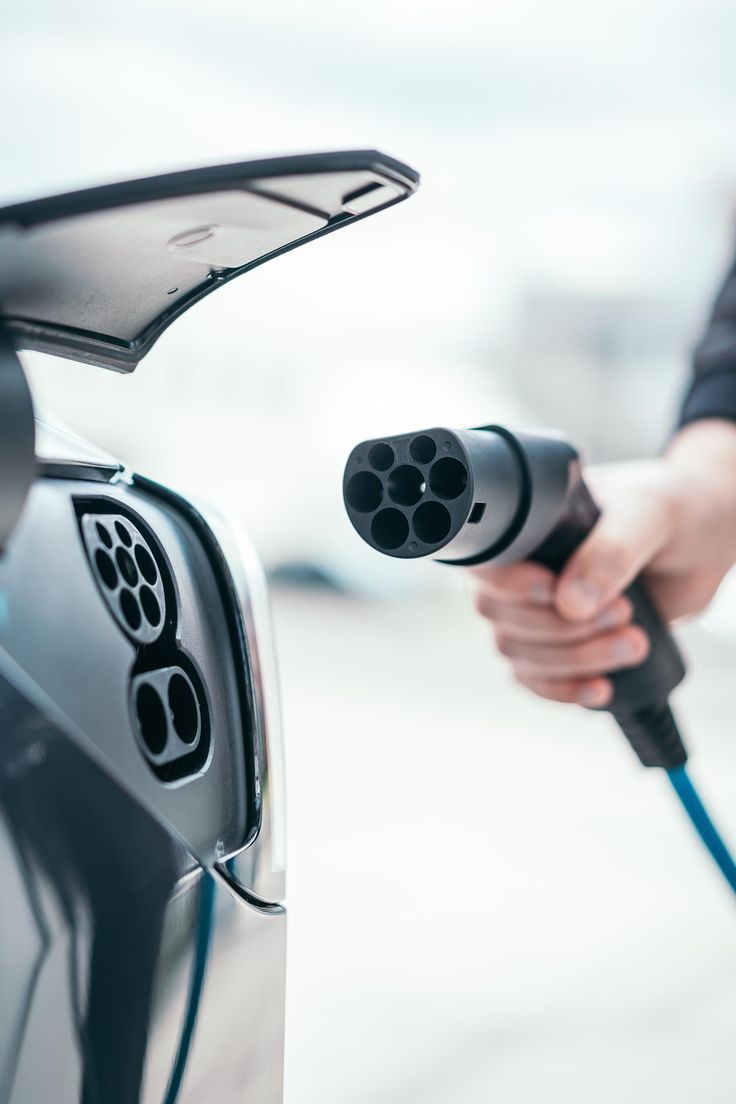
Ford F-150 Lightning Home Charger Setup in the GTA
The Ford F-150 Lightning has become one of the most popular EVs in the GTA — and for good reason. It's a full-size truck with up to 580 km of range and enough battery capacity to power your house during an outage. But that massive battery also means home charging setup matters more than with smaller EVs.
Here's what GTA Lightning owners need to know about home charger installation.
The F-150 Lightning's Charging Specs
The Lightning comes in two battery variants:
- Standard Range (98 kWh) — up to 370 km range
- Extended Range (131 kWh) — up to 580 km range
Both variants support onboard AC charging at up to 19.2 kW — meaning the Lightning can accept up to 80 amps at 240V. That's a significantly higher current draw than most EVs, and it has implications for your home's electrical setup.
What Circuit Does the Lightning Need?
The Lightning supports multiple charging configurations:
| Circuit | Amps | Charging Rate | Full charge (ER) | |---|---|---|---| | 60A (48A continuous) | 48A | ~37 km/hr | ~16 hours | | 80A (dedicated) | 80A | ~65 km/hr | ~9 hours | | 100A (Ford Charge Station Pro) | 80A | ~65 km/hr | ~9 hours |
Most GTA homeowners choose the 48A (60A circuit) setup. It charges the Lightning overnight from empty and doesn't require a dedicated 100A circuit. An 80A setup charges faster but requires a larger circuit and sometimes a panel upgrade.
The 80A Charge Station Pro is designed for whole-home integration and Ford Intelligent Backup Power (power your house with your truck's battery during outages). This setup requires significant electrical infrastructure and is typically reserved for committed early adopters.
Panel Requirements for the Lightning in the GTA
Standard 48A setup (60A circuit):
- Requires a 200-amp panel with a free 60A slot (two adjacent breaker spaces)
- Most GTA homes built after 1985 can accommodate this without a panel upgrade
- Homes with 100A panels or full panels will need an upgrade first
80A Charge Station Pro setup:
- Requires a 200-amp panel and a dedicated 100A circuit
- This effectively uses half your total panel capacity for the charger
- A 200A panel upgrade is almost always necessary if you don't already have one
- In some cases, a 320A or 400A service upgrade is needed
The vast majority of GTA Lightning owners opt for the 48A setup — it's far less invasive and still charges the truck overnight.
Ford Charge Station Pro — What It Is and What It Costs
The Ford Charge Station Pro is Ford's first-party home charger, designed specifically for the Lightning. It supports:
- Up to 80A charging
- Ford Intelligent Backup Power — uses the truck's battery to power your home during outages (like a Powerwall on wheels)
- Smart scheduling and grid interaction
- App monitoring and control
Installation cost for Charge Station Pro setup (GTA): $2,500 – $6,000
- Includes the Charge Station Pro hardware (~$1,200 USD)
- 100A dedicated circuit
- Panel upgrade if required (very likely)
- Ford-certified installation required for Intelligent Backup Power feature
Standard 48A Level 2 setup (no backup power): $800 – $1,500
- Includes dedicated 60A circuit, Level 2 charger hardware of your choice, permit, ESA inspection
- Compatible with any NACS or J1772 Level 2 charger
- No special hardware or Ford certification required
Best Chargers for the Lightning (48A Setup)
If you're not going the Charge Station Pro route, any NACS-compatible Level 2 charger will work with the Lightning:
- Grizzl-E Avalanche — Canadian-made, excellent cold-weather performance, 50A, highly recommended for GTA winters
- ChargePoint Home Flex — 50A, app connectivity, flexible installation
- Wallbox Copper SB — bidirectional charging capability if your utility supports it
- Tesla Universal Wall Connector — NACS compatible, works with Lightning
Ontario Permit Requirements
Same as all Level 2 installations: ESA permit required, licensed electrician, ESA inspection after completion. No Lightning-specific requirements beyond the standard provincial rules.
If you're going the Charge Station Pro route for home backup power, additional permits related to the backup power functionality may apply — your licensed installer will advise.
GTA-Specific Considerations for Lightning Owners
Grid impact: An 80A Lightning charger is a significant load. Some utility programs (Toronto Hydro, Alectra) have managed-charging incentive programs for high-draw EV chargers — you may get a rebate for agreeing to smart charging during off-peak hours.
Garage clearance: The Lightning is a full-size truck. Make sure your charger is mounted at the right height and location to allow comfortable plug access from the truck bed side.
Cold weather: The Lightning's large battery is less affected by cold weather than smaller EVs, but starting a charge at a good battery temperature helps. A timed schedule on your charger ensures you're charging during milder overnight hours.
Frequently Asked Questions
Do I need a panel upgrade for the Lightning? For the 48A setup: probably not if you have a 200A panel. For the 80A Charge Station Pro setup: almost certainly yes. We assess during the free quote.
Can I install the Charge Station Pro myself? No. Like all Level 2 installations in Ontario, it requires a licensed electrician and ESA permit.
How long does Lightning installation take? Standard 48A install: 2–4 hours. Charge Station Pro with panel upgrade: full day or two-day job.
Will my utility allow an 80A EV charger? Utilities don't typically restrict charger amperage, but they may have managed-charging programs that incentivize off-peak charging for high-draw equipment.
The Bottom Line — Set Up the Lightning Properly
The F-150 Lightning is a serious truck that deserves a serious charging setup. A proper 48A Level 2 install is sufficient for most GTA Lightning owners and can be done quickly.
Get a free quote at EVPowerUpgrade.ca — we install Lightning charging setups across the GTA with same-day availability.