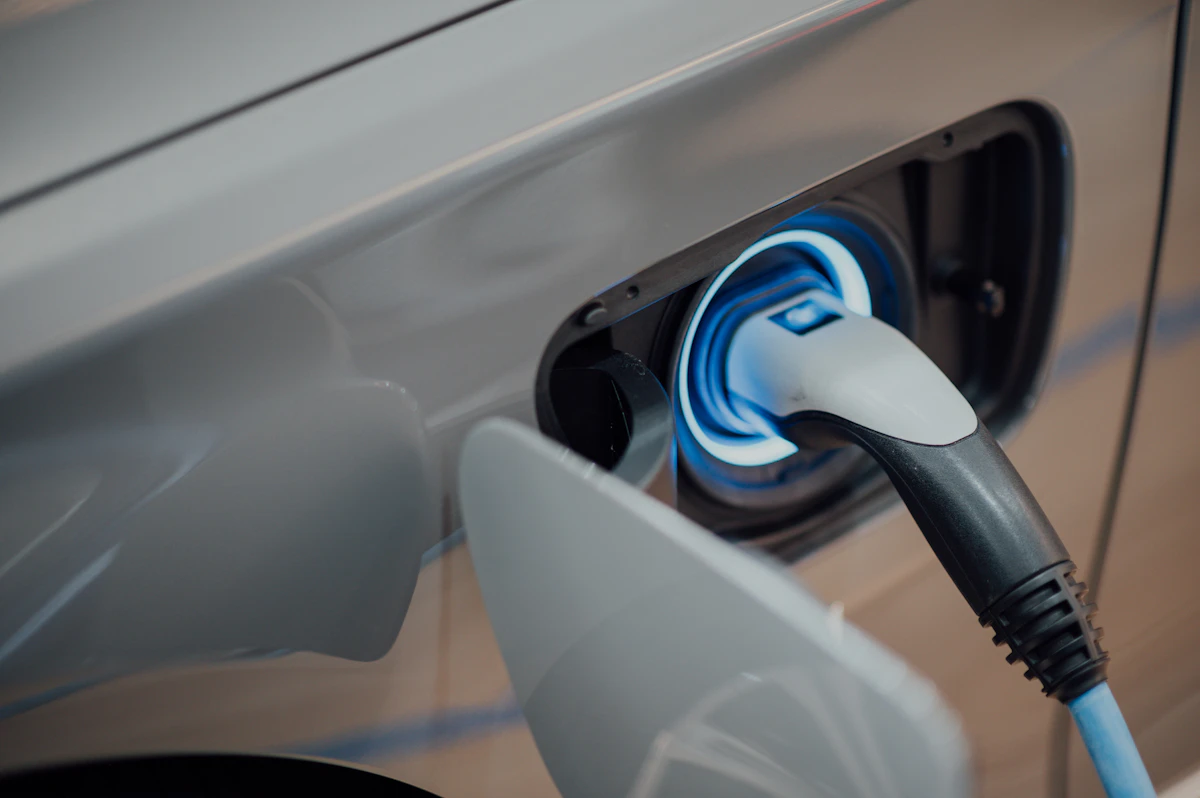
Every EV comes with a Level 1 cord in the box. It's the one that plugs into a regular wall outlet. It works — but slowly. Level 2 charging is what most EV owners eventually install at home.
Here's the full comparison so you can decide what's right for your situation.
The Core Difference: Speed
| | Level 1 | Level 2 | |---|---|---| | Voltage | 120V (standard outlet) | 240V (dedicated circuit) | | Amperage | 12–16A | 32–48A | | Charging speed | 5–7 km of range per hour | 30–50 km of range per hour | | Overnight add (8 hrs) | ~45–55 km | ~240–400 km | | Full charge (65 kWh battery) | 30–50 hours | 8–13 hours |
If you drive a typical GTA commute of 60–80 km per day, Level 1 can barely keep up — especially in winter when range drops 20–30%. Level 2 gives you a full charge overnight, every night.
When Level 1 Is Fine
Level 1 works well if:
- You drive under 50 km per day consistently. A short commute means Level 1 can restore your charge overnight without issue.
- You have a plug-in hybrid (PHEV). PHEVs have small batteries (8–20 kWh) that Level 1 can fill overnight easily.
- You're renting and can't modify the wiring. Level 1 needs no installation — just an outlet.
- You have access to workplace or public charging that tops you up during the day.
When You Should Install Level 2
Level 2 is worth the installation cost when:
- You drive 60+ km daily. Level 1 won't fully replenish your charge overnight in real Ontario winter conditions.
- You have a long-range EV (60+ kWh battery). Waiting 40 hours for a full charge from empty is impractical.
- You have two EVs (or plan to). Two Level 1 cords on one outlet isn't safe and barely charges one car.
- You want overnight charging on a timer. Most Level 2 smart chargers schedule charging during off-peak overnight hours automatically, saving on Hydro bills.
- You're buying a home. A hardwired Level 2 charger adds real resale value in the GTA market.
Level 2 Hardware Options
Not all Level 2 chargers are equal. Key specs to consider:
Amperage: Most home circuits are set at 40–48A, delivering 9–11 kW of power. That's plenty for overnight charging. A 32A unit (7.7 kW) is adequate for most EVs but charges slower.
Smart vs dumb: A "smart" charger connects to WiFi for scheduling, energy monitoring, and utility demand response enrollment (which unlocks rebates). Worth the extra $100.
Hardwired vs plug-in: A hardwired unit is cleaner and slightly safer. A NEMA 14-50 plug-in unit is portable (useful if you move). Both are ESA compliant.
Top picks for GTA homeowners:
- Wallbox Pulsar Plus (40A, smart, compact): $550–$650 installed-ready
- ChargePoint Home Flex (48A, smart): $600–$700
- Tesla Wall Connector (48A, smart, works with any EV): $750–$850
The Installation Reality
Level 2 installation requires a licensed electrician to run a 240V circuit from your panel to the garage. In Ontario, this needs an ESA permit. Total installed cost in the GTA typically runs $800–$1,600 including hardware.
That sounds like a lot compared to "free" (Level 1). But:
- Federal rebates can cover up to $1,000
- The time savings over the life of the vehicle are significant
- Most GTA homeowners recoup the cost in resale value or just quality of life
Our Honest Recommendation
If you drive more than 60 km a day or have a long-range EV — install Level 2. Don't live with Level 1 anxiety.
If you drive a PHEV with short daily trips and have overnight outlet access — Level 1 might genuinely be enough. Don't spend money you don't need to.
Not sure? Fill out the form below. We'll ask a few questions and give you a straight answer — no sales pressure.
Related: How much does EV charger installation cost in Ontario? · Ontario EV charger rebates 2025